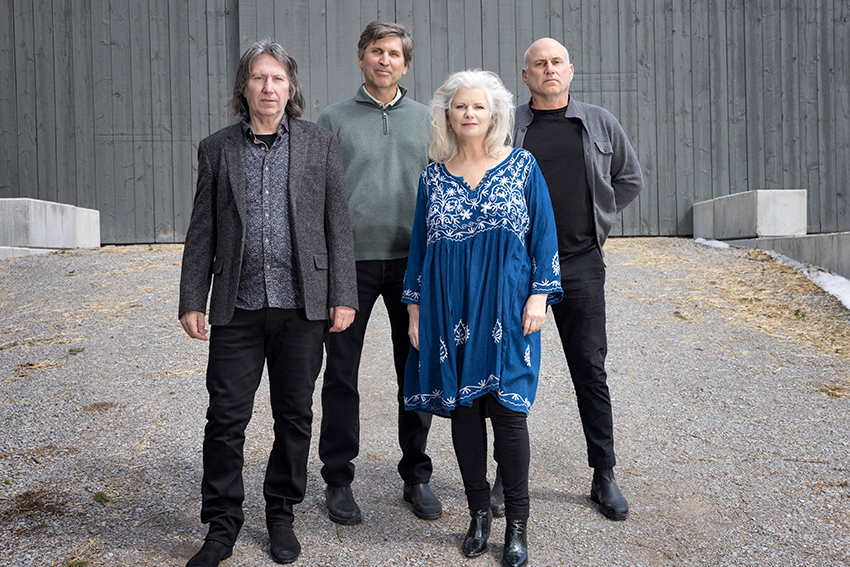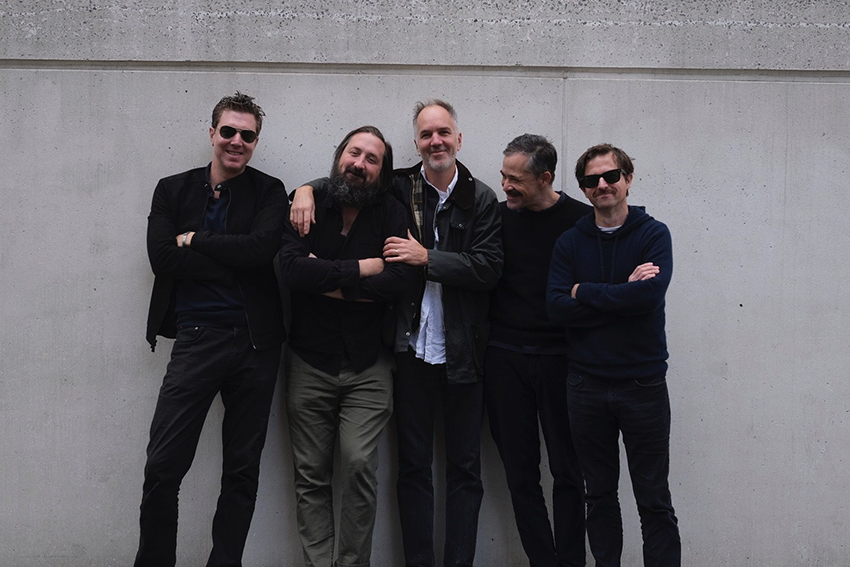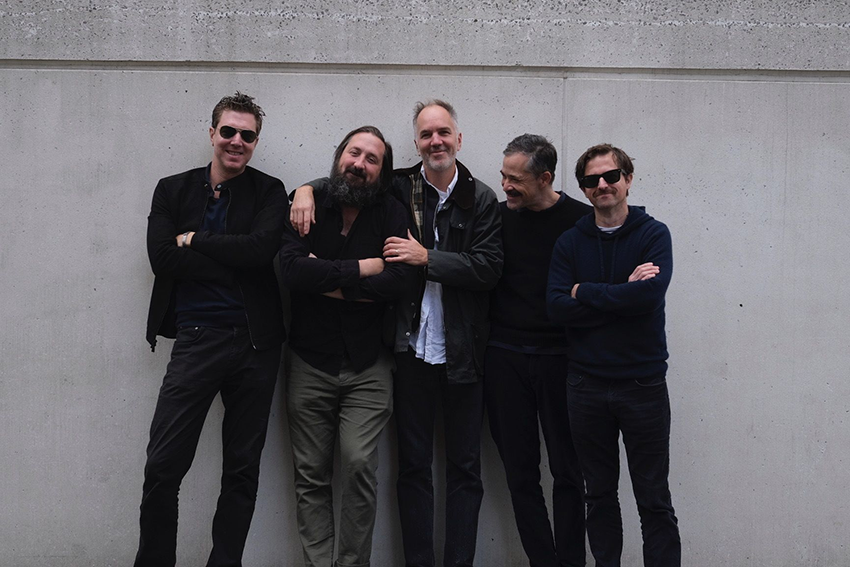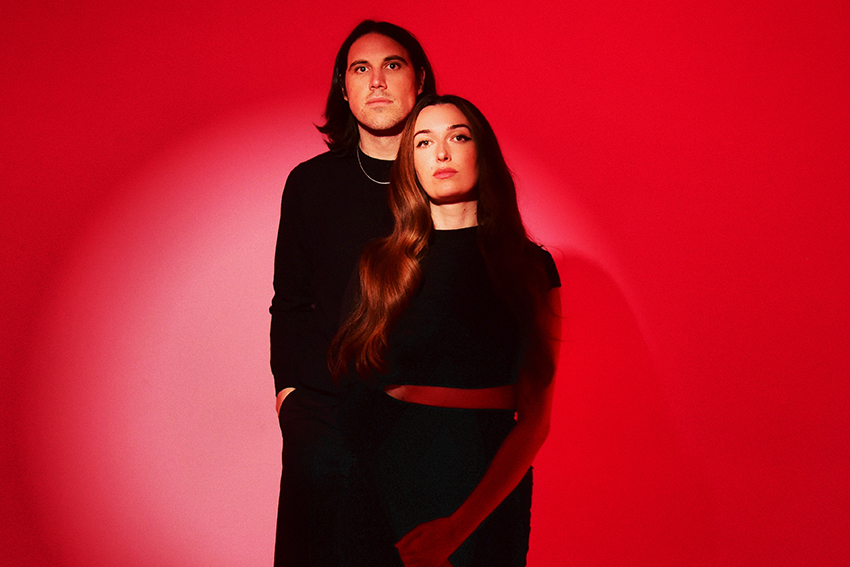





Cibo Matto (meaning crazy food in Italian) is a New York City-based band formed by two Japanese women, Yuka Honda and Miho Hatori.
After working together in the noise rock band Leitoh Lychee, they formed Cibo Matto in 1994. The band name is an Italian phrase that roughly translates to “Crazy Food”, a twist of the name of an Italian movie from the 70’s called “Sesso Matto”. In 1995, Cibo Matto released a self-titled EP on El Diablo Records. The EP caught the attention of Warner Bros. Records, who signed Cibo Matto later in the year. Under Warner Bros., the duo released their first major album, “Viva! La Woman”, produced by Mitchell Froom, which stayed at #1 on CMJ college chart for six weeks. Their songs featured lyrics that played with food-related ideas, including “Know Your Chicken”, “Apple”, and “Birthday Cake”. Their single “Sugar Water” was a modest college radio and dance hit. The song was accompanied by an innovative split screen music video directed by Michel Gondry, wherein each side showed the same footage – one side going forward, and one backwards, meeting mid-song in a sort of visual/narrative palindrome. Cibo Matto made appearances on various television shows such as Oddville, Viva Variety, and Buffy the Vampire Slayer. “Birthday Cake” was heavily featured in the videogame Jet Set Radio Future. In 1996, Cibo Matto contributed their version of the Jobim classic “Águas De Março (Waters of March)” to the AIDS benefit album “Silencio=Muerte: Red Hot + Latin”, produced by the Red Hot Organization.
In 1997 Cibo Matto released an EP entitled “Super Relax” which included remixes of the song “Sugar Water” (including versions by Mike D of Beastie Boys and by Cold Cut of Ninja Tune) alongside rarities and oddities such as their version of “Águas De Março” and The Rolling Stones’ “Sing This All Together”.
Cibo Matto went on to release their second (and final) album “Stereo ? Type A” in 1999. Although it was a departure from the much-loved sound of “Viva! La Woman”, “Stereo ? Type A” was well-received by fans and the music critics alike.
The group continued to tour until disbanding in 2001.
All of the members of Cibo Matto have gone on to release solo material and continued to collaborate with each other.
Miho & Yuka announced their reunion on March 18th, 2011 when they performed as part of a benefit concert for victims of the 2011 T?hoku earthquake and tsunami. The concert, which took place on March 27th at Columbia University in New York City, also included YOKO ONO PLASTIC ONO BAND, John Zorn, Sonic Youth, and Mike Patton. Following the success of this show, Cibo Matto performed again at a second benefit on the 29th of the same month, which also featured YOKO ONO PLASTIC ONO BAND and Patti Smith Group. Lou Reed and Antony of Antony and Johnsons were surprise guests at this event.
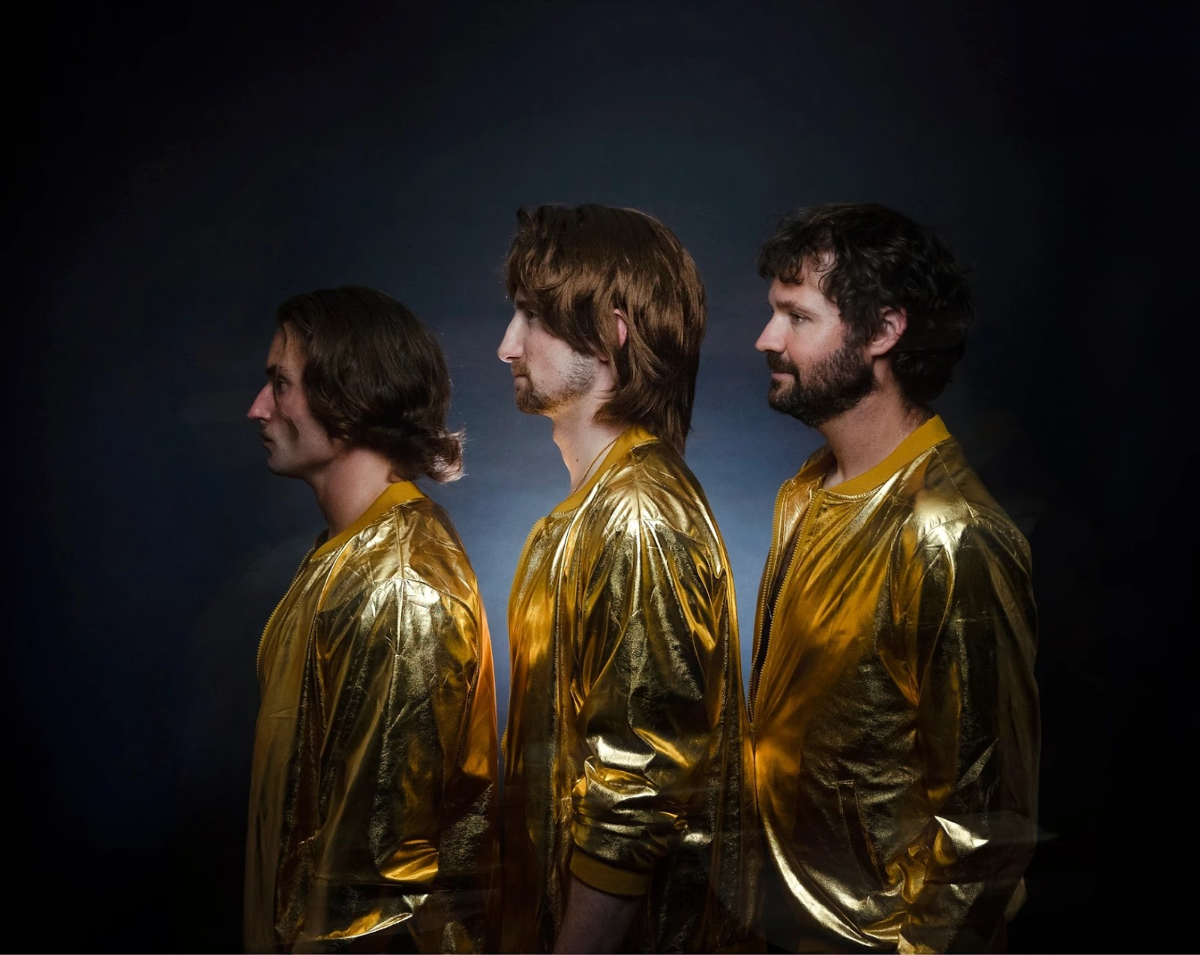
"My brothers and I were surrounded by music growing up," explains Kamtin Mohager, the shape-shifting singer/multi-instrumentalist behind the Chain Gang of 1974. "Not Beatles albums or anything like that; more like the Persian records our parents played all the time. And when we got older, it was up to us to discover everything." Born in San Jose and raised in Hawaii, Mohager spent his first 13 years obsessing over inline hockey and the idea of being drafted by the NHL one day. A series of life-changing events were set in motion once Mohager's family moved to Colorado, however. The first of which involved the final scene from Real Genius—quite possibly Val Kilmer's finest hour—and its penultimate ‘popcorn song', a.k.a. "Everybody Rules the World." "I love ‘80s music, but not typical new-wave stuff," says Mohager. "Like I'm way into Tears For Fears and Talk Talk, the other side of the spectrum, really." That's abundantly clear on White Guts, a record that's nearly as restless as Chain Gang's previous collection of early recordings, Fantastic Nostalgic. The way Mohager sees it, his first proper release was "all over the place, from a piano ballad to songs that sound like Black Rebel Motorcycle Club, Primal Scream or Justice." White Guts, on the other hand, funnels three years of instrument-swapping, sample-splicing experience into a lean, focused listen. So while "Stop!" and the rather epic "Hold On" hint at everything from LCD Soundsystem to Talking Heads, they make perfect sense in the context of deep cuts like the synth-flecked "Don't Walk Away" and bass-guided "Matter of Time," shimmering power ballads that could have been on the soundtrack of Sixteen Candles or Pretty in Pink. What sets the Chain Gang of 1974 apart from other Reagan-era revivalists is Mohager's innate sense of rhythm, a skill he acquired at an early age. And we're not just talking about his parents' punchy, groove-riding record collection. We're talking about family gatherings and traditions that taught Mohager how to make a crowd of cool kids uncross their arms and dance like there's pistols pointed at their feet. "Everyone lets loose at our shows," says Mohager. "It's a party, man. If only I had a dollar for every time someone bum-rushed the stage or grabbed one of our instruments." Things are bound to get worse, too, as his live band—a quartet that's a far cry from Mohager's original iPod/bass setup—spends the next six months spreading the Chain Gang gospel far beyond its Rocky Mountain beginnings. Or as the man behind every last beat puts it, "I'm letting the music just be, and if something's meant to happen, it's meant to happen."